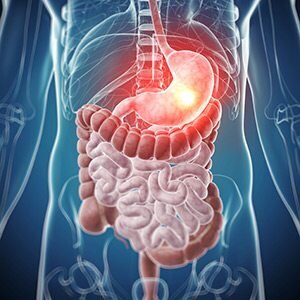
Your metabolism is about more than just weight management. The metabolic process involves digestion, hormone signaling, cellular metabolism, and cardiovascular circulation working in harmony. When even one part of this system becomes disrupted, you’ll feel the effects.
Fatigue, weight gain, brain fog, high blood pressure, abnormal cholesterol, and blood sugar imbalances are not random problems. They are signals that your cardiometabolic system is under stress. At Integrative Wellness FX in Dallas/Ft. Worth, we specialize in integrative cardiometabolic care that looks beyond symptoms to understand why these imbalances are happening and how to correct them at the root.

Integrative Cardiometabolic Doctor in Dallas/Ft. Worth

Cardiometabolic Disease | What is It?

Cardiometabolic disease is an umbrella term that describes conditions affecting both the cardiovascular system and metabolic function. These conditions often develop together because they share the same underlying drivers: insulin resistance, chronic inflammation, mitochondrial dysfunction, hormonal imbalance, oxidative stress, and poor nutrient signaling.
Unlike acute illnesses, cardiometabolic diseases develop gradually. Many people feel “a little off” for years before they receive a diagnosis. By the time lab values cross conventional thresholds, damage is often already underway at the cellular and vascular level.
An integrative approach recognizes cardiometabolic disease as a spectrum rather than a single diagnosis. Addressing it early can prevent progression and dramatically improve long-term health outcomes.

The Metabolic Processes Behind Cardiometabolic Health

To understand cardiometabolic disease, it helps to understand what’s happening inside the body on a cellular level.

After you eat, carbohydrates are broken down into glucose, fats into fatty acids, and proteins into amino acids. These nutrients enter the bloodstream and are transported to cells, where they are converted into energy inside mitochondria. This process depends on proper hormone signaling, adequate oxygen delivery, and efficient cellular machinery.
Several key metabolic processes and proteins play major roles in cardiometabolic health.

Insulin and Insulin Receptors
Insulin allows glucose to enter cells for energy. When cells become resistant to insulin, glucose remains in the bloodstream, leading to elevated blood sugar and increased fat storage. Over time, this contributes to type 2 diabetes, obesity, and cardiovascular disease.

Glucose Transport Proteins
Glucose transporter proteins move glucose from the blood into muscle and fat cells. When this system is impaired, glucose uptake decreases and insulin resistance worsens.

Mitochondrial Function
Mitochondria are responsible for producing cellular energy. When mitochondrial function declines due to inflammation, nutrient deficiencies, or toxin exposure, energy production falls and oxidative stress rises. This contributes to fatigue, weight gain, and metabolic slowdown.

Lipoproteins and Cholesterol Transport
Cholesterol is essential for hormone production and cell membranes. Problems arise when lipoproteins become oxidized or imbalanced. Particle size, density, and inflammation matter far more than total cholesterol alone.

Inflammatory Pathways
Chronic low-grade inflammation interferes with insulin signaling, damages blood vessels, and accelerates plaque formation in arteries. Inflammation is a major driver of cardiometabolic disease progression.

Chronic Fatigue and Low Energy

Fatigue develops because cells are literally low on fuel. To compensate, the body slows metabolism and downregulates non-essential functions. Over time, this leads to persistent exhaustion that does not improve with rest.

Chronic Pain and Inflammation

Poor mitochondrial function increases oxidative stress, meaning free radicals accumulate faster than the body can neutralize them. This drives inflammation across tissues.
In the nervous system, inflammation can cause nerve hypersensitivity and exaggerated pain signaling even when imaging shows no structural injury. In muscles and connective tissue, mitochondrial dysfunction often appears as soreness, stiffness, or fibromyalgia-type pain.

Hyperthyroidism

Hyperthyroidism is characterized by excessive production of thyroid hormones, causing symptoms like rapid weight loss, anxiety, irritability, and heat intolerance. Common causes include autoimmune disorders, such as Graves' disease, and thyroid nodules.

Goiter

A goiter is an abnormal enlargement of the thyroid gland, which can occur due to iodine deficiency, Hashimoto's thyroiditis, or Graves' disease. Symptoms can include swelling at the base of the neck, difficulty swallowing, and breathing issues.

Thyroid Cancer

Thyroid cancer is the growth of malignant cells in the thyroid gland. Symptoms may include a lump in the neck, changes in voice, and difficulty swallowing. The cause multifactorial and due to the oxidative stress from numerous sources, but genetic factors and exposure to radiation can also increase risk.

High Blood Pressure

High blood pressure is rarely an isolated issue. It is commonly linked to insulin resistance, inflammation, stress hormones, endothelial dysfunction, and mineral imbalances. Left unaddressed, hypertension increases the risk of heart attack, stroke, kidney disease, and cognitive decline.

High Cholesterol and Lipid Imbalances

Cholesterol issues are often driven by insulin resistance, liver dysfunction, inflammation, thyroid imbalance, and oxidative stress. Integrative care evaluates advanced lipid markers to assess true cardiovascular risk rather than focusing only on total cholesterol numbers.

Diabetes and Prediabetes

Diabetes develops over time through chronic metabolic stress and insulin resistance. Even mildly elevated blood sugar levels can damage blood vessels and nerves long before a formal diagnosis. Early intervention can improve insulin sensitivity and preserve long-term metabolic health.

What Happens If These Conditions Go Unaddressed

When cardiometabolic dysfunction is ignored, the consequences extend far beyond lab results.
Unaddressed cardiometabolic disease can lead to heart attack, stroke, kidney disease, fatty liver disease, cognitive decline, chronic fatigue, accelerated aging, and reduced quality of life. The earlier these patterns are addressed, the more reversible they tend to be.

Why Integrative Medicine Works for Cardiometabolic Health

Integrative cardiometabolic care focuses on identifying and correcting the underlying causes of disease rather than masking symptoms.

Advanced Labs and Genetic Insights
Care begins with comprehensive testing, including advanced lipid panels, insulin markers, inflammatory markers, hormone levels, micronutrients, and genetics. These tools reveal dysfunction long before it becomes obvious on standard lab work.

Personalized Consultations
Each patient’s cardiometabolic challenges are different. Personalized consultations allow us to connect symptoms, labs, lifestyle factors, and health history into a clear, actionable plan.

Nutrition as Therapy
Food is information for your cells. Personalized nutrition plans are designed to stabilize blood sugar, reduce inflammation, support mitochondrial health, and improve lipid metabolism without extreme or unsustainable approaches.

Peptides and Advanced Therapies
When appropriate, peptide therapy can support insulin sensitivity, fat metabolism, cellular repair, and cardiovascular function as part of a comprehensive integrative plan.

Targeted Supplement Protocols
Supplement protocols are customized based on lab findings and may support glucose regulation, inflammation control, mitochondrial function, and vascular health.

Chronic Fatigue and Low Energy

Fatigue develops because cells are literally low on fuel. To compensate, the body slows metabolism and downregulates non-essential functions. Over time, this leads to persistent exhaustion that does not improve with rest.

Chronic Pain and Inflammation

Poor mitochondrial function increases oxidative stress, meaning free radicals accumulate faster than the body can neutralize them. This drives inflammation across tissues.
In the nervous system, inflammation can cause nerve hypersensitivity and exaggerated pain signaling even when imaging shows no structural injury. In muscles and connective tissue, mitochondrial dysfunction often appears as soreness, stiffness, or fibromyalgia-type pain.

Hyperthyroidism

Hyperthyroidism is characterized by excessive production of thyroid hormones, causing symptoms like rapid weight loss, anxiety, irritability, and heat intolerance. Common causes include autoimmune disorders, such as Graves' disease, and thyroid nodules.

Goiter

A goiter is an abnormal enlargement of the thyroid gland, which can occur due to iodine deficiency, Hashimoto's thyroiditis, or Graves' disease. Symptoms can include swelling at the base of the neck, difficulty swallowing, and breathing issues.

Thyroid Cancer

Thyroid cancer is the growth of malignant cells in the thyroid gland. Symptoms may include a lump in the neck, changes in voice, and difficulty swallowing. The cause multifactorial and due to the oxidative stress from numerous sources, but genetic factors and exposure to radiation can also increase risk.

Meet Dr. David Morcom

Dr. David Morcom is a practitioner of Functional Medicine at Integrative Wellness FX, fusing his background in modern pharmacology with the newest research in herbs, nutrition, bioenergetics, and lifestyle optimization.

With an integrative and holistic approach, Dr. Morcom seeks to understand each client as a whole and identify the root causes driving cardiometabolic dysfunction. His goal is not just symptom management, but long-term metabolic resilience and cardiovascular health.

High Blood Pressure
High blood pressure is rarely an isolated issue. It is commonly linked to insulin resistance, inflammation, stress hormones, endothelial dysfunction, and mineral imbalances. Left unaddressed, hypertension increases the risk of heart attack, stroke, kidney disease, and cognitive decline.

High Cholesterol and Lipid Imbalances

Cholesterol issues are often driven by insulin resistance, liver dysfunction, inflammation, thyroid imbalance, and oxidative stress. Integrative care evaluates advanced lipid markers to assess true cardiovascular risk rather than focusing only on total cholesterol numbers.

Diabetes and Prediabetes

Diabetes develops over time through chronic metabolic stress and insulin resistance. Even mildly elevated blood sugar levels can damage blood vessels and nerves long before a formal diagnosis. Early intervention can improve insulin sensitivity and preserve long-term metabolic health.

If you’ve been told your labs are “borderline,” you’re managing multiple medications, or you feel that something isn’t right with your energy or metabolism, integrative cardiometabolic care can offer clarity and direction.

Integrative Wellness FX provides in-person care in Dallas and telehealth across Texas. Our team is ready to help you take control of your cardiometabolic health with personalized, science-driven, integrative care.

Schedule your consultation today and start building a healthier metabolic future.


Get Started with Integrative Cardiometabolic Care in Dallas/Ft. Worth

Dr. David and the entire Integrative Wellness Fx team are passionate about sharing their expertise to empower you with knowledge supportive of your holistic health & lifestyle.

Join our tribe and stay connected with the latest updates, events, workshops & more!

Subscribe to our newsletter

Subscribe